Bakso Simulator 2: The Ultimate Wiki and Beginner's Guide | BgRemovit
·8 min read·visibility0 views
Bakso Simulator 2: The Ultimate Wiki and Beginner's Guide
Master the bustling streets of Bakso Simulator 2 with this comprehensive wiki guide. Learn core cooking mechanics, ingredient recipes, and how to build your culinary empire.
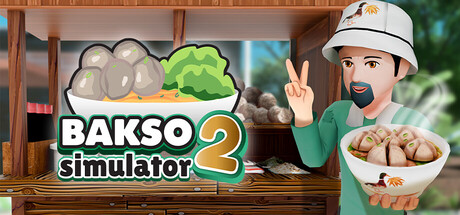
It is not just about boiling meatballs anymore. Released in June 2026 by Akhir Pekan Studio, Bakso Simulator 2 takes the viral hit of its predecessor and expands it into a fully-fledged first-person culinary empire builder. The original game captured lightning in a bottle with its quirky premise, but the sequel elevates the concept into a highly detailed management sim. Whether you are playing on Android, iOS, or PC via Steam, the core loop remains as addictive as ever: you start with a humble, slightly rusted street cart and dream of a sprawling, multi-story restaurant.
But this time around, the bustling open-world town is packed with deep secrets, supernatural side quests, and a whole lot of hungry, demanding locals. The game blends the frantic time-management of classic cooking games with the spatial planning of a tycoon simulator, all wrapped in a distinctly Indonesian cultural aesthetic. If you are struggling to keep your broth hot while fending off spectral thieves in the dead of night, this wiki-style beginner's guide breaks down the essential mechanics, ingredient loops, and progression paths to get your business booming.
Core Mechanics: Cooking, Serving, and Cart Management
Your primary source of income is, unsurprisingly, selling piping hot bowls of bakso. The gameplay loop demands sharp time management and situational awareness. You must prep raw ingredients, keep the broth boiling at the perfect temperature, and assemble bowls to exact customer specifications before their patience meters—indicated by a floating bar that shifts from green to angry red—deplete entirely.
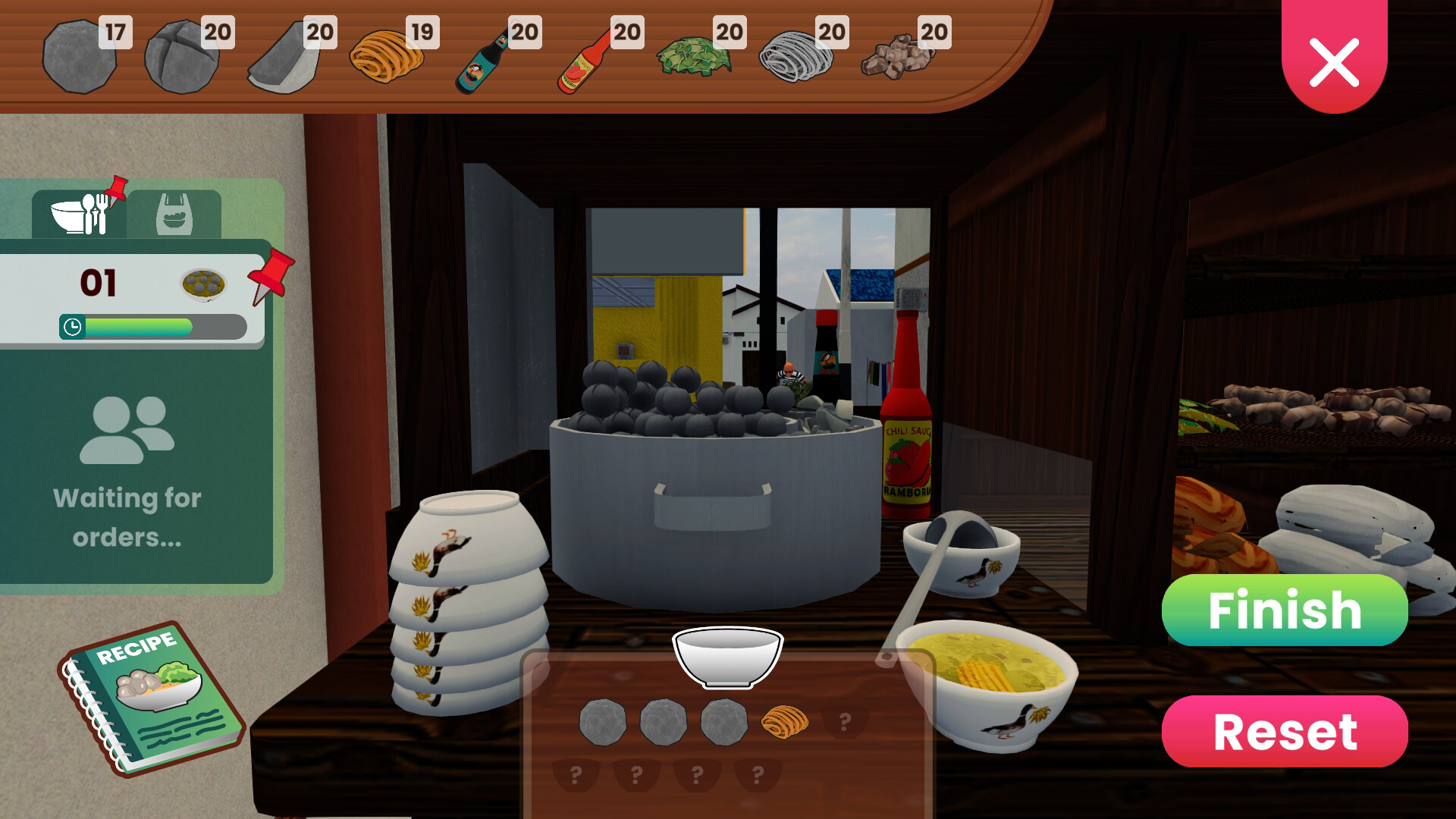
The cooking station is divided into three primary zones: the Boiling Vat, the Prep Board, and the Serving Counter. The Boiling Vat is where the magic happens; you must maintain the temperature by managing your fuel source, usually propane or wood. If the heat drops, the meatball cooking time doubles, causing a massive bottleneck during the lunchtime rush. Conversely, if you leave the meatballs in too long, they burn, forcing you to throw them away and lose precious capital.
The Prep Board is where you chop secondary ingredients like tofu, noodles, and boiled eggs. This requires a rapid clicking mini-game to simulate chopping speed. Finally, the Serving Counter is where you combine the broth, cooked meatballs, and chopped toppings into the final bowl.
Upgrading your cart early is absolutely crucial for survival. The starting equipment limits you to cooking three meatballs simultaneously, which isn't nearly enough to handle the crowds that arrive after day three. Prioritize spending your first few thousand Rupiah on a larger Boiling Vat and a faster, sharper chopping knife to streamline your workflow.
The Recipe Book: Ingredients and Menu Expansion
In Bakso Simulator 2, you start your journey with a basic, no-frills bowl of Bakso Urat (tendon meatballs) and plain yellow noodles. However, to attract high-paying customers and VIPs, you need to unlock and master over eight unique recipes. Each recipe requires specific raw ingredients that must be purchased from the town market, which operates on a dynamic pricing system based on the in-game day and night cycle.
Understanding the ingredient hierarchy is vital for maximizing your daily profits and minimizing waste.
Tier 1 (Basics): Beef, Tapioca Flour, Garlic, and Yellow Noodles. These form the foundation of your standard bowls and should always be bought in bulk when prices dip in the morning.
Tier 2 (Add-ons): Fried Tofu, Boiled Eggs, and Crispy Wontons (Pangsit). Adding these to a customer's order increases the base price of a bowl by exactly 30%. They require minor prep time but are highly lucrative.
Tier 3 (Premium): Melted Cheese, Spicy Sambal Mercon, and Giant Meatballs (Bakso Beranak). These are high-risk, high-reward items. They take significantly longer to cook and prep, but they yield massive profit margins and attract wealthy tourists.
Unlocking these advanced recipes requires completing specific milestone quests for the Market Vendor NPC. For example, to unlock the fiery "Bakso Mercon" recipe, you must successfully serve 50 basic bowls with a perfect rating and pay a one-time licensing fee of 15,000 Rupiah.
Exploring the Town: Quirky NPCs and Side Quests
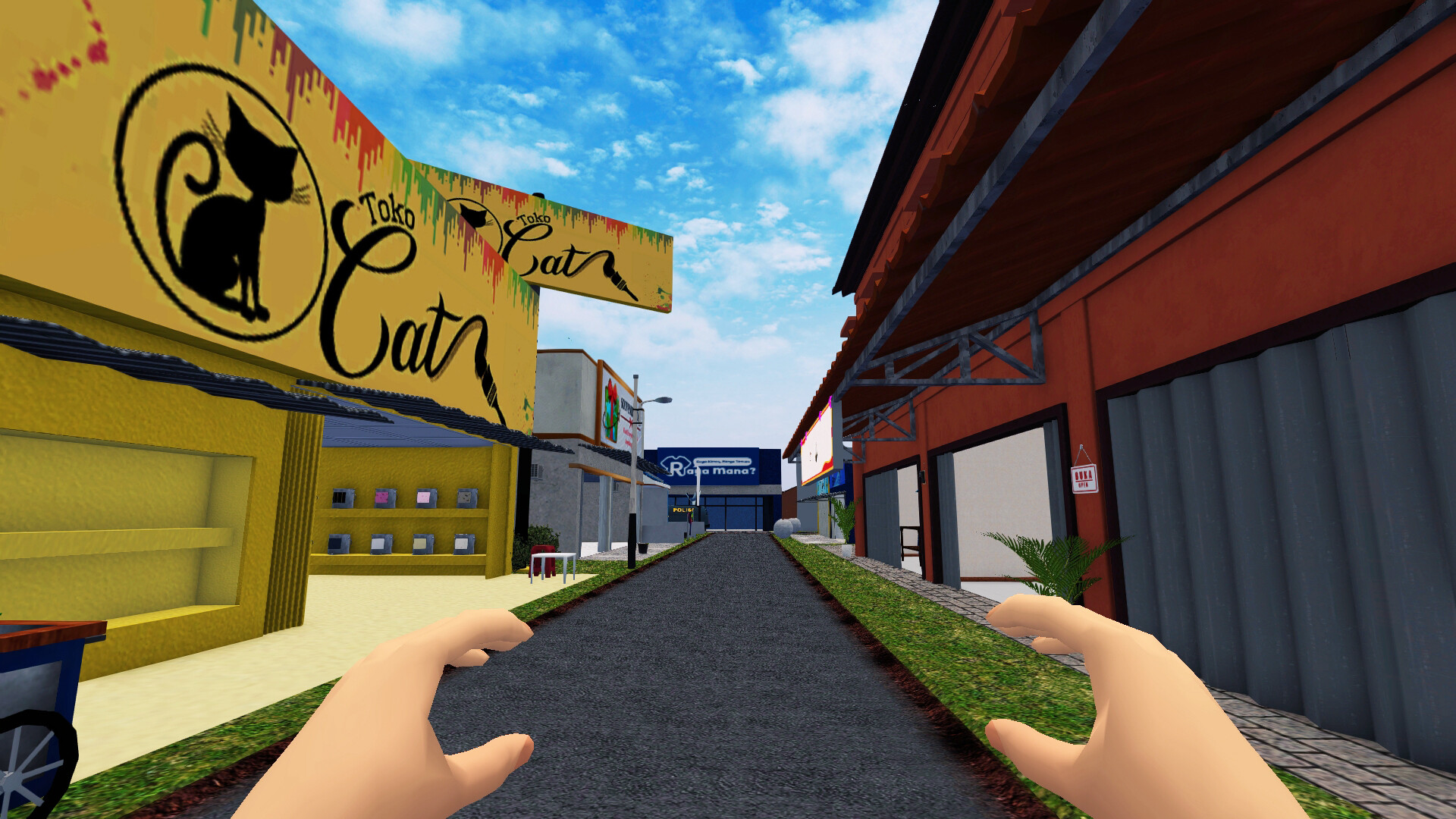
The sequel introduces a vast new open-world town that feels genuinely alive, steeped in authentic Indonesian atmosphere. When the lunch rush ends and the sun begins to set, it is time to close up shop and explore. The map is divided into three main districts: the bustling Residential Area, the neon-lit Commercial Hub, and the mysterious, winding Old Alleyways.
Each district is populated by quirky NPCs who offer side quests, arcade minigames, and hidden lore. The town Mayor, for instance, will task you with catering a local weekend festival, rewarding you with exclusive restaurant decorations and a massive boost to your town standing. The eccentric Fortune Teller, hidden away in the Old Alleyways, offers cryptic hints about hidden treasure chests scattered across the map, which often contain rare cosmetics or large sums of cash.
Completing side quests is not just for narrative flavor; it is the primary way to earn "Reputation Points." These points act as a secondary, premium currency used to unlock high-end customization options for your restaurant, such as flashing neon signs, luxury marble flooring, and custom-tailored staff outfits. Do not ignore the townsfolk; running their errands is the secret key to scaling your empire faster than relying on food sales alone.
Defending Your Turf: Thugs, Brats, and the Mythical Tuyul
Running a street food business in this town isn't all smiles and savory broth. Bakso Simulator 2 introduces a chaotic, physics-based defense mechanic where you must physically protect your cart and customers from various troublemakers.
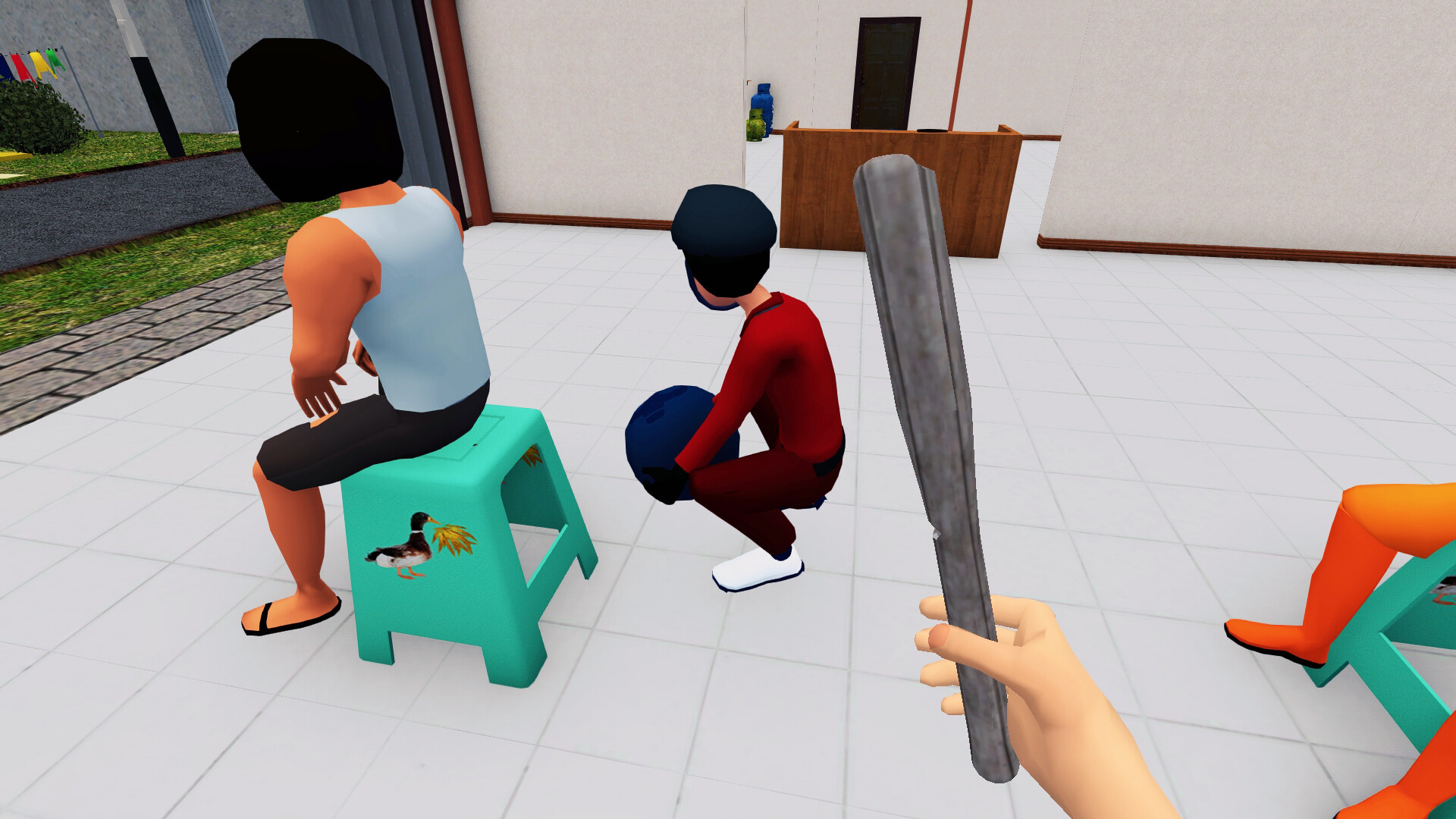
During the day, you will deal with mundane but frustrating threats: dine-and-dashers who try to sneak away without paying their bill, annoying brats who run around knocking over your carefully placed plastic chairs, and petty thieves attempting to swipe cash directly from your register. You are equipped with a trusty flyswatter and a heavy wooden ladle to literally whack these nuisances away, sending them flying with hilarious ragdoll physics.
However, the real challenge begins when the night shift starts. The darkness introduces supernatural threats, most notably the Tuyul. In Indonesian folklore, a Tuyul is a small, mischievous spirit summoned by greedy rivals to steal money. In the game, these glowing green entities will sprint toward your tip jar at terrifying speeds. You must keep a flashlight handy to stun them and chase them off your property before they drain your daily earnings. Successfully defending against a Tuyul often rewards you with a rare "Ectoplasm" item, which can be sold to the Fortune Teller in the alley for a hefty sum.
Scaling Up: Hiring Staff and Restaurant Customization
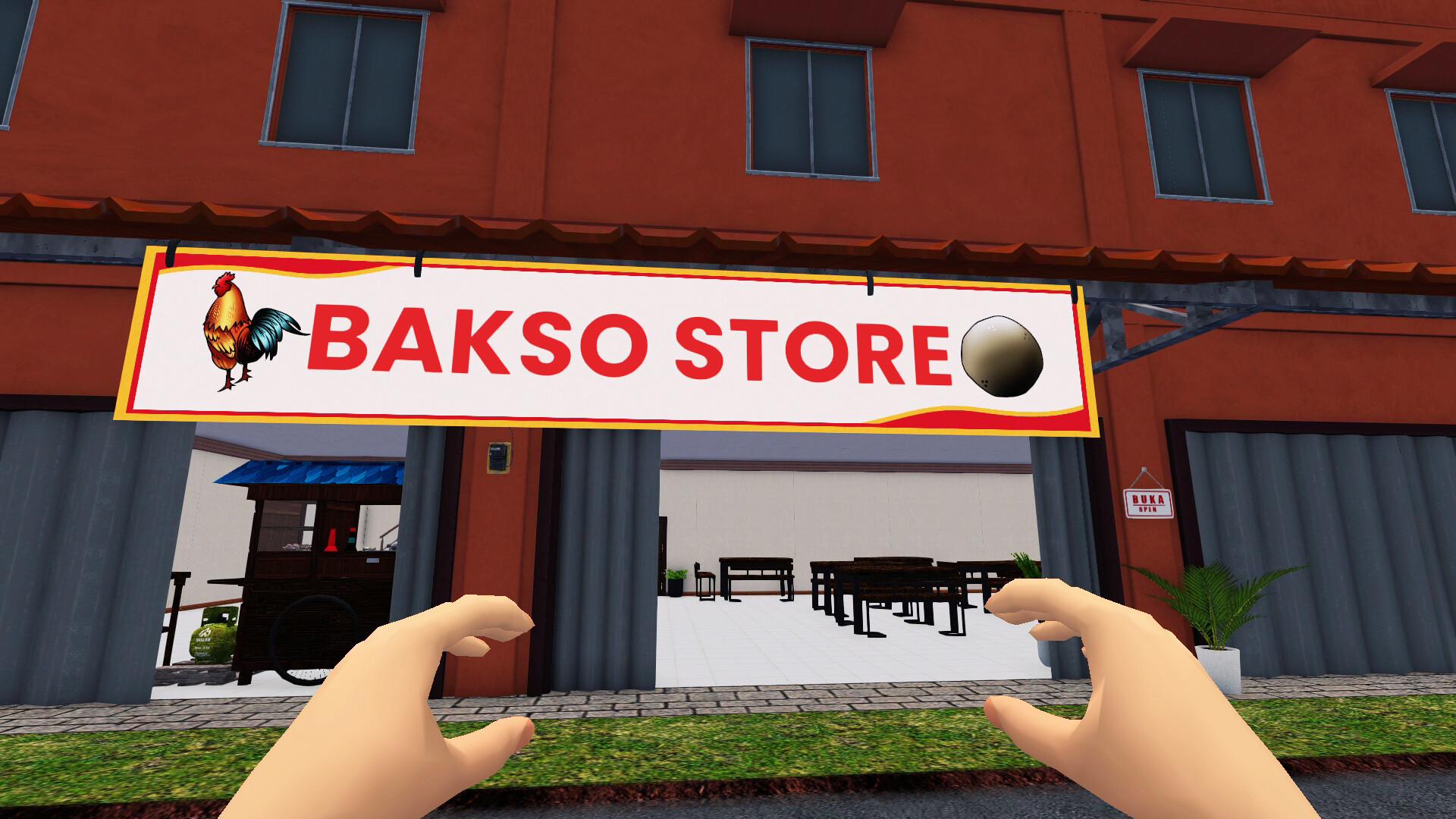
Once your street cart is generating a steady, reliable stream of income, it is time to transition into a permanent brick-and-mortar restaurant. This is where the true tycoon and management mechanics of Bakso Simulator 2 shine brightest.
You can purchase empty plots of land in the Commercial Hub to build your culinary empire from scratch. The building and customization engine is surprisingly deep, utilizing a grid-based system that allows you to design the exact layout of your kitchen and dining area. You can choose the flooring, paint the walls, place decorative plants, and arrange the furniture to optimize customer flow. But a large restaurant cannot be run solo. You need to hire a dedicated staff.
The in-game hiring market offers various candidates, each with unique background stories and three base stats: Speed, Charisma, and Stamina. You will need Cooks to handle the boiling vats and prep stations, Waiters to deliver bowls to tables and clean up trash, and Security Guards to automatically deter daytime thieves and nighttime ghosts. Employees gain experience over time, but their stamina drains. You must pay to train them, improving their efficiency, and build break rooms to keep them rested. A well-oiled, highly trained crew can serve dozens of customers a minute, turning your humble street food gig into a multi-million Rupiah enterprise.
Early Game Strategies: The First 5 Days
To survive your first in-game week, follow a strict schedule. On Day 1, focus entirely on serving perfect basic bowls. Do not waste money on cosmetics. By Day 2, purchase the upgraded Boiling Vat to double your cooking capacity. On Day 3, start exploring the town during the evening to find the Fortune Teller and complete her first quest for a quick cash injection.
By Day 4, you should have enough capital to unlock the Tier 2 ingredients (Tofu and Eggs). Introduce these slowly, as they complicate your workflow. Finally, on Day 5, hire your first employee—a Waiter—so you can focus entirely on cooking and fending off the inevitable nighttime Tuyul attacks. Stick to this progression, and you will be well on your way to dominating the local food scene.
Final Verdict: A Deliciously Chaotic Sequel
Bakso Simulator 2 successfully builds upon the quirky charm of the original game while adding much-needed depth to its simulation and tycoon mechanics. Akhir Pekan Studio has crafted an experience that perfectly balances stressful time-management cooking with hilarious physics-based combat and rewarding progression. Whether you are frantically hunting down a Tuyul ghost with a flashlight in the dead of night or finally saving up enough capital to buy that glowing neon ceiling light for your newly built restaurant, the game constantly rewards your hustle. Dive into the bustling streets, keep your broth boiling, and build the bakso empire of your dreams.
Sources
Akhir Pekan Studio Steam Page for Bakso Simulator 2
Official Gameplay Walkthroughs and Community Wiki Guides