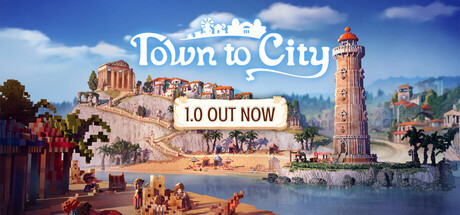
The 19th-century Mediterranean city-builder Town to City doesn't just want you to paint pretty voxel streets. It wants you to manage a rigid, demanding, and highly volatile class system. Developed by Dutch studio Galaxy Grove—the creative minds behind the critically acclaimed railway puzzler Station to Station—and published by Kwalee, the game eases you in with simple farming towns before hitting you with the ultimate logistical headache: the Bourgeoisie. Once these top-tier elites move into your gridless coastal paradise, your cozy settlement transforms into a high-stakes balancing act of luxury demands, tax brackets, and workforce shortages.
For players migrating from traditional city builders, the arrival of the upper class can feel like a sudden difficulty spike. You are no longer just laying down roads and basic amenities; you are catering to a demographic that refuses to engage in manual labor while simultaneously demanding the finest goods your artisans can produce. Mastering the transition from a sleepy rural village to a bustling metropolis requires a deep understanding of how bourgeoisie jobs function, how population tiers interact, and why deleting your working-class neighborhoods is the fastest way to bankrupt your city.
The Class Divide: From Townsfolk to High Society
In Town to City, your population is divided into three distinct, interdependent tiers that dictate the economic engine of your settlement. You start with the Townsfolk. These are the backbone of your early economy, the gritty laborers who work the farms, man the basic market stalls, and keep the foundational supply chains moving. Without them, your city starves. Next come the Artisans, the middle class who demand slightly more refined goods but run the mid-tier industries, crafting everything from basic pottery to tailored apparel.
Finally, at the apex of the social pyramid, you unlock the Bourgeoisie. The Bourgeoisie are not laborers in the traditional sense; they are the elite class that drives your tax revenue through the roof and funds your most ambitious architectural projects. However, their arrival fundamentally disrupts your city's equilibrium. They require high-end social buildings, luxury points, and pristine neighborhood decorations. If you simply zone a massive wealthy district without preparing your lower-tier workforce to support it, your city will collapse under the weight of unfulfilled demands. The game enforces a strict dependency chain: the upper class cannot exist without the middle class to manage their establishments, and the middle class cannot survive without the lower class to harvest the raw materials.
Unlocking the Bourgeoisie: Mansions and Market Demands
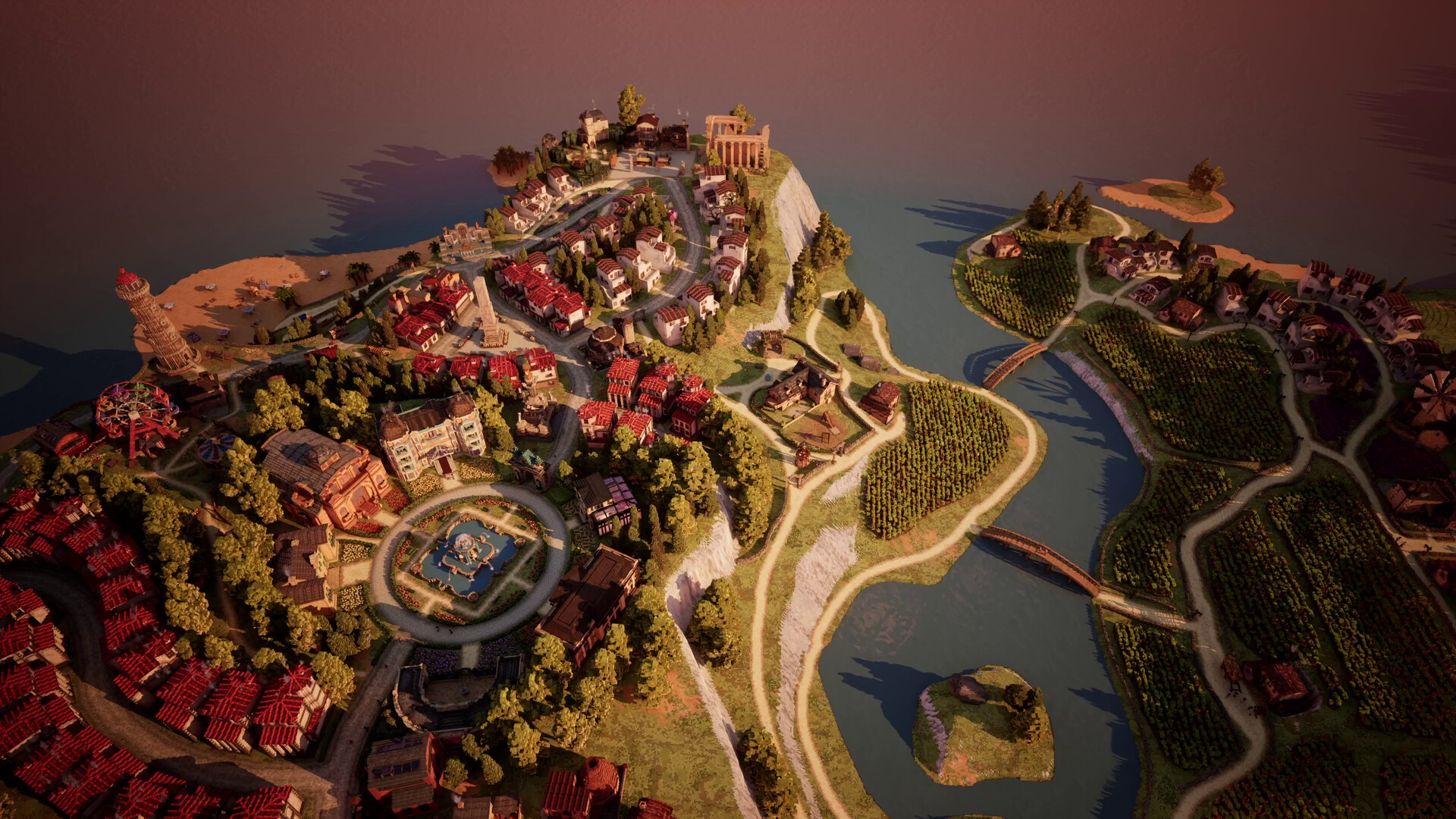
To attract the upper crust, you must first upgrade your settlement to a Large City. This requires hitting specific population milestones with your Artisans and maintaining high overall happiness across the board. Happiness in Town to City is a volatile, multi-layered metric influenced by food variety, apparel, leisure, housewares, and public services. You cannot simply throw down a single fish market and expect your citizens to rejoice; they want bread, cheese, and eventually, high-end dining.
Once unlocked, Bourgeoisie residences require a massive footprint and high-value environmental decorations. You cannot just plop a mansion next to a noisy factory or a dusty farm field. They demand elegant businesses, sweeping coastal vistas, and specific aesthetic upgrades like manicured flower beds and grand plazas. A common, fatal mistake new players make is rushing to upgrade all existing housing to Bourgeoisie mansions the moment the option becomes available. This instantly spikes your city's demand for luxury goods while simultaneously deleting the Townsfolk who were producing your basic food and the Artisans who were crafting your mid-tier supplies. The result is a cascading economic failure where the rich have nowhere to spend their money, and the poor have been entirely priced out of the zip code.
The Job Market: Who Really Runs the Grand Hotel?
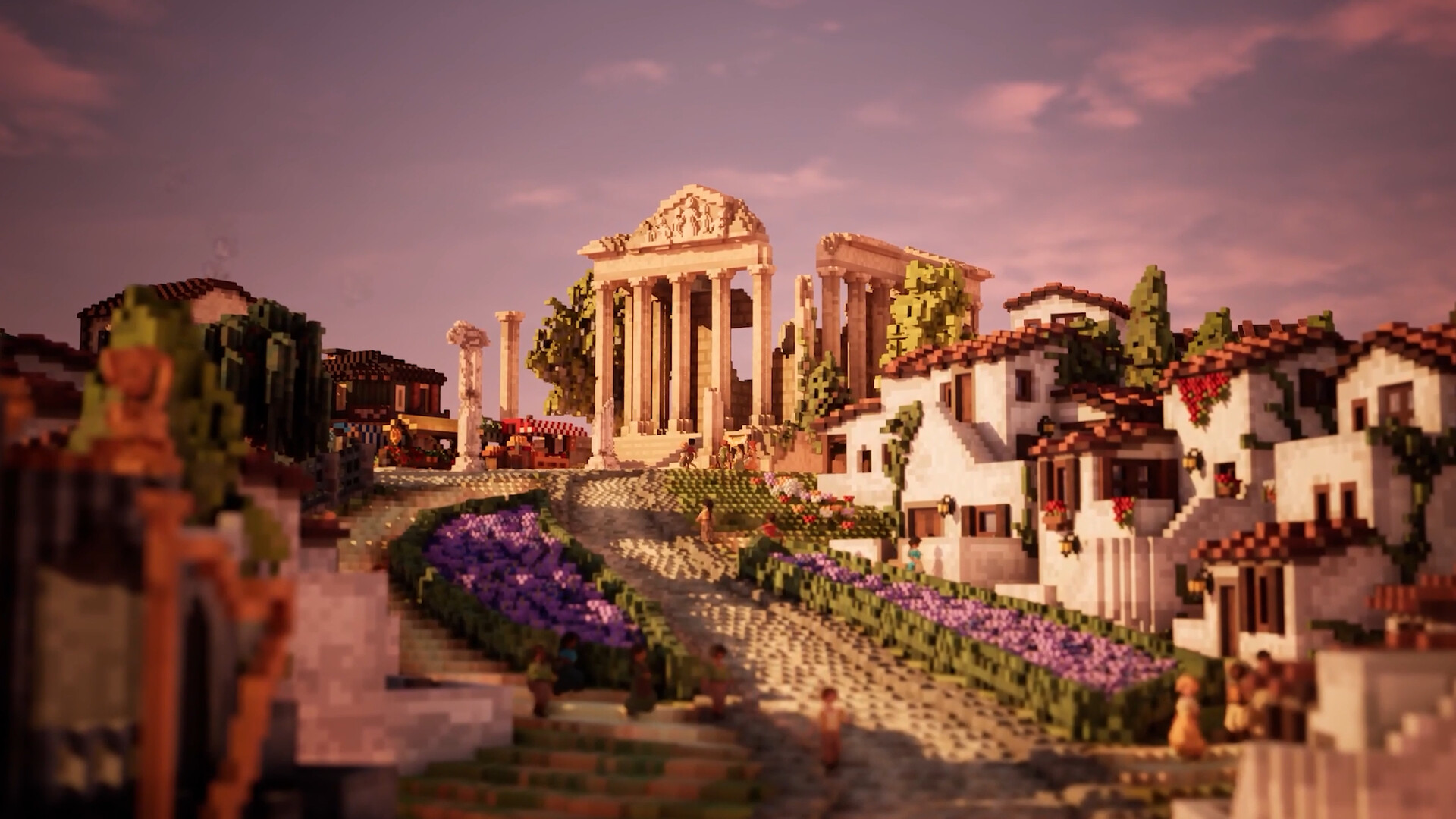
When players search for "bourgeoisie jobs" in Town to City, they often misunderstand how employment works at the top tier. The Bourgeoisie do not clock in at the local market stall, nor do they toil in the fields. Instead, they occupy executive or patron slots in high-end commercial and leisure buildings like the Bank, the Casino, and the Grand Hotel. They are the investors, the elite clientele, and the figureheads of your booming economy.
But here is the mechanical catch that catches many mayors off guard: the Bourgeoisie act more as patrons, while your Artisans actually run the daily operations of these businesses. For example, in the Art Atelier or the Casino, you need a dedicated staff of Artisans to handle the accounting, the floor management, and the customer service. If you evict all your lower-class and middle-class citizens to make room for sweeping estates of the rich, your luxury buildings will sit completely empty, flashing the dreaded "No Workers" icon. The game models a realistic, albeit simplified, socio-economic structure where the wealth of the top tier is entirely reliant on the labor of the tiers below them. You must carefully zone residential areas to ensure a healthy mix of all three classes within commuting distance of your commercial hubs.
Managing Needs: Luthiers, Luxuries, and The Tax Squeeze
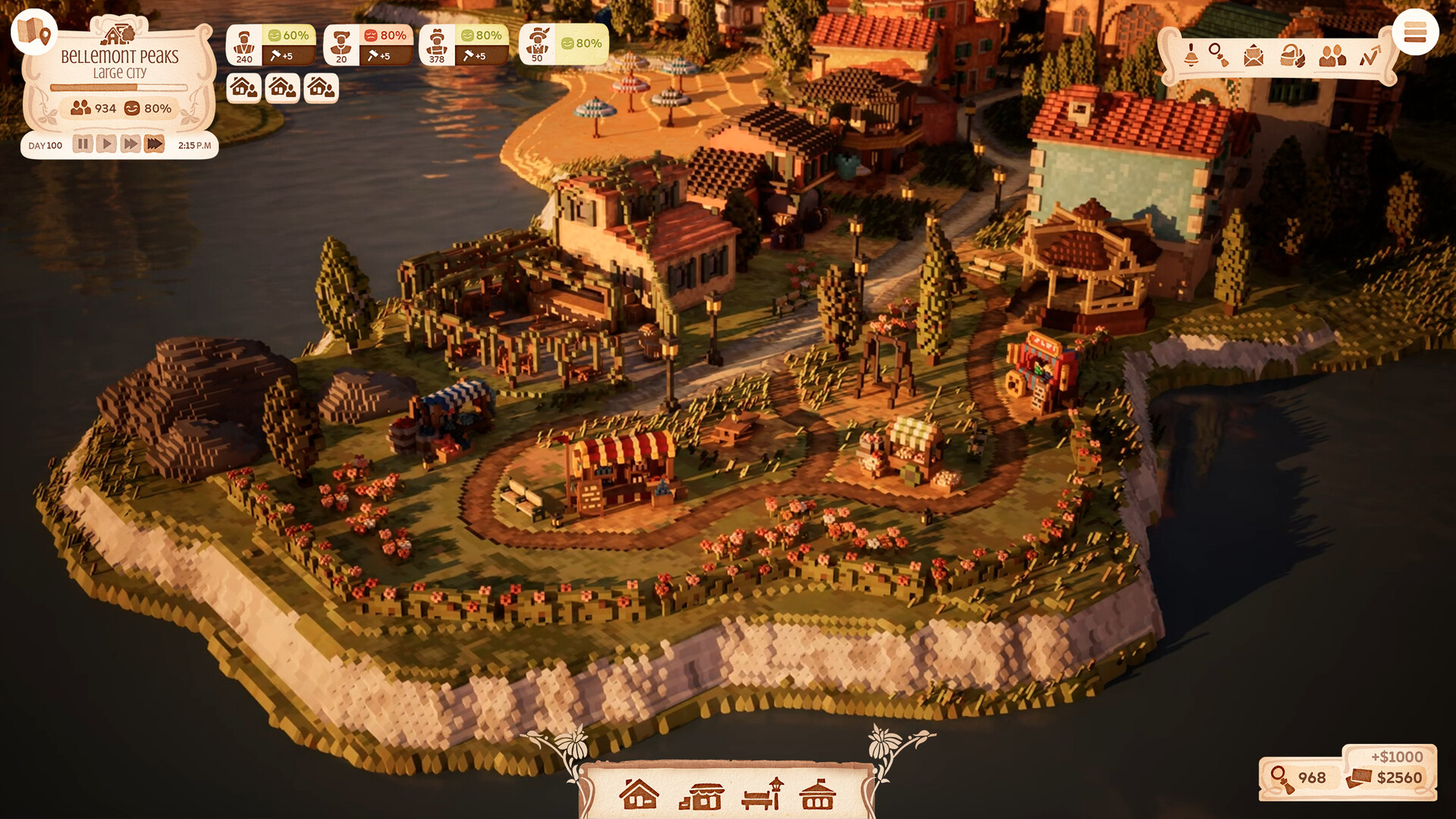
To keep the Bourgeoisie happy and your tax coffers overflowing, you need to master the luxury point system. As your city expands, basic amenities no longer cut it. One of the most efficient buildings in the mid-to-late game for satisfying the upper class is the Luthier. Placing a Luthier in or near a Bourgeoisie neighborhood fulfills a massive chunk of their houseware demands and instantly provides 4 luxury points. It is a highly efficient use of gridless space that dramatically boosts neighborhood land value.
Taxes are your primary reward for enduring this logistical headache. While Townsfolk pay pennies and Artisans offer a moderate income, the Bourgeoisie fund your massive infrastructure projects, such as the clifftop Cathedral or the sprawling regional trade networks. Interestingly, the game's underlying family dynamics play a massive role in economic optimization. A household with two adults provides two workers, but a household with one adult and three children is highly lucrative in a Bourgeoisie district. Because kids still pay taxes in the game's logic but do not require adult job slots, they artificially inflate your tax base without draining your available workforce. Curating neighborhoods that encourage large, wealthy families is a hidden meta-strategy for maximizing late-game revenue.
The Population Cap Trap: Balancing Your Workforce
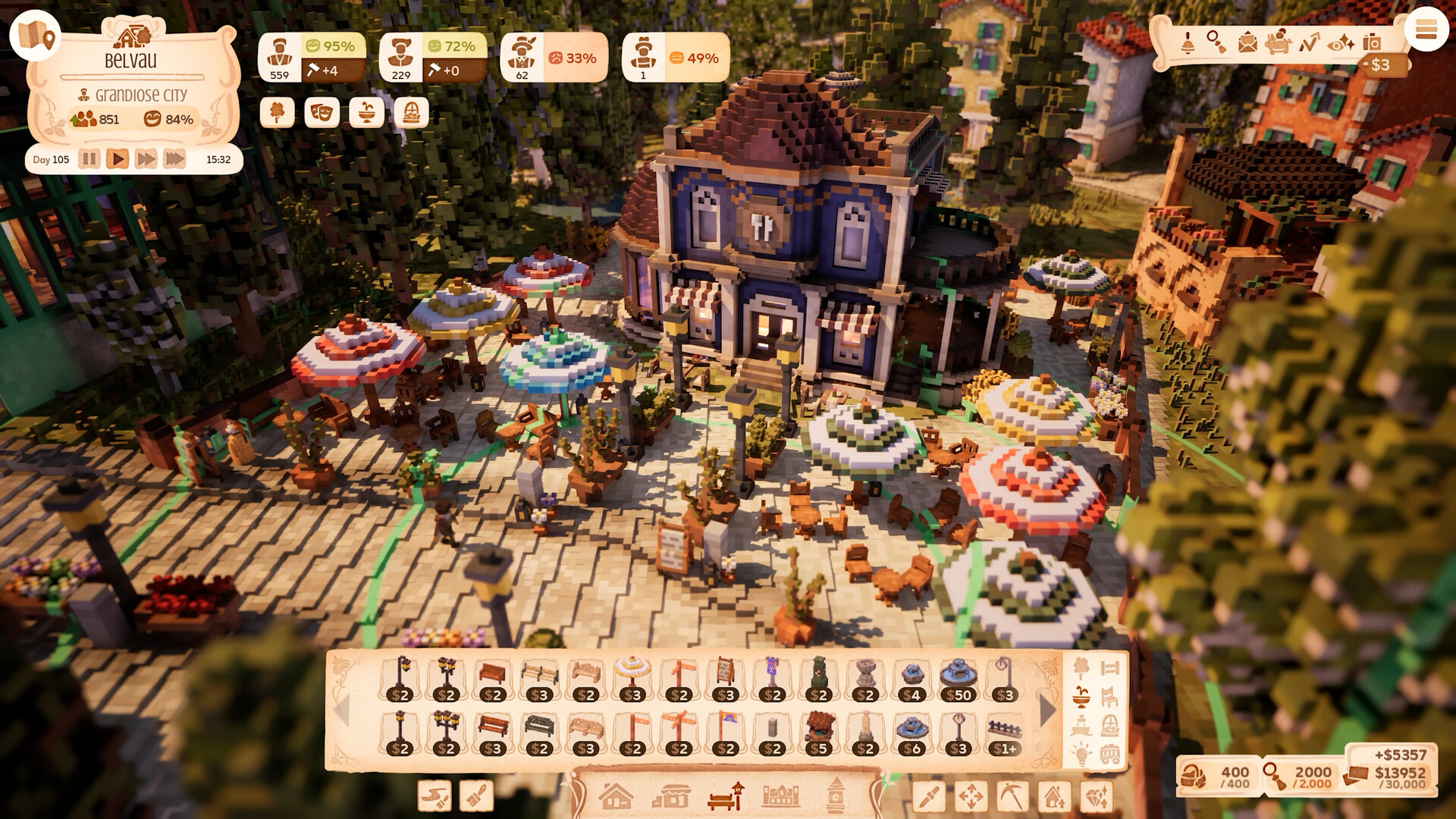
As you approach the late game and your ambitions grow, you will inevitably hit the population cap—often hovering around 1,000 residents per map instance depending on your hardware and game mode. This hard limit is where the true strategic depth of Town to City reveals itself. Because you cannot infinitely expand your population, every Bourgeoisie family you move in means one less Townsfolk family producing basic goods. It becomes a zero-sum game of labor allocation.
Veteran players use a clever workaround to manage this cap: the Research Center trick. A fully staffed Research Center employs 10 workers. By building a couple of these early on, you can effectively "store" extra Townsfolk and Artisans. When a new luxury building like a Kiosk Theatre or a Casino opens, and you suddenly face a severe labor shortage, you can pause your research, fire the scientists, and instantly redirect that workforce to run your new high-end establishments. It is a slightly manipulative but highly effective way to tweak the labor market and ensure your Bourgeoisie never have to endure a closed Casino.
Closing Take
Town to City brilliantly masks a ruthless socio-economic simulator behind a cozy, voxel-art exterior. The Bourgeoisie aren't just a shiny reward for playing well; they are a mechanical stress test designed to break poorly planned cities. Learn to balance the aristocrats with the artisans, respect the labor of your townsfolk, and your Mediterranean gridless town will truly earn its title as a thriving, prosperous metropolis.
Sources
- Galaxy Grove and Kwalee official release notes and developer diaries for Town to City (1.0 Release, 2026).
- Community strategies and workforce balancing guides from the Town to City Steam Discussions and Reddit forums.
- Gameplay analysis on luxury points, the Luthier building efficiency, and the Research Center labor storage exploit.